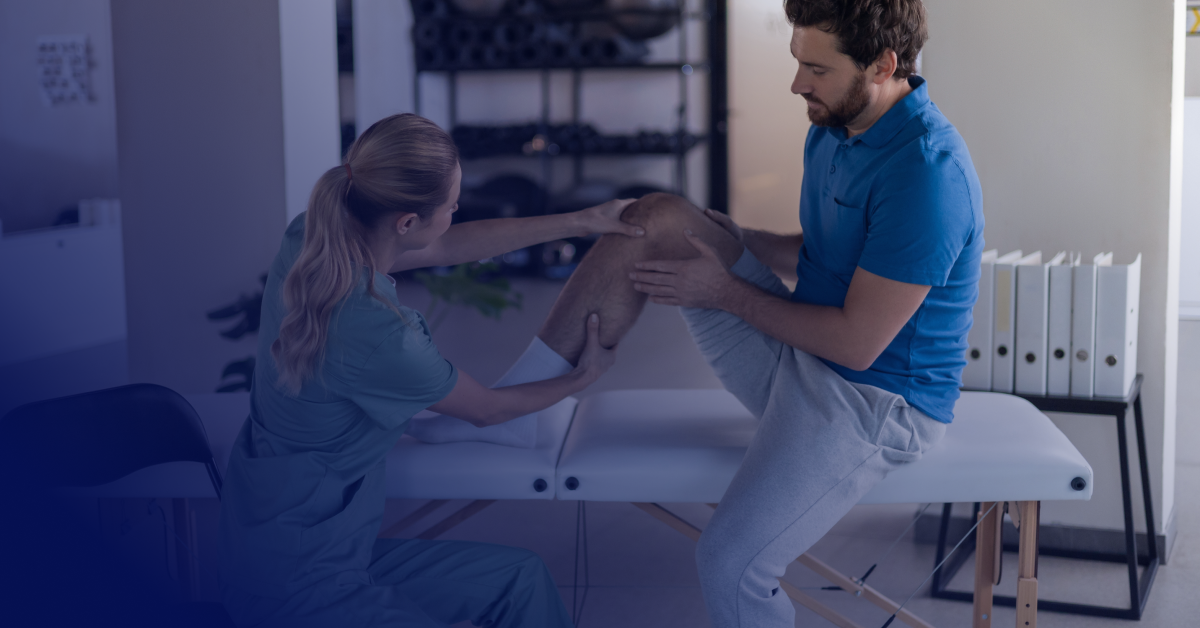
Pickleball Warmup Routine: How to Play Longer and Hurt Less
Workout Injuries
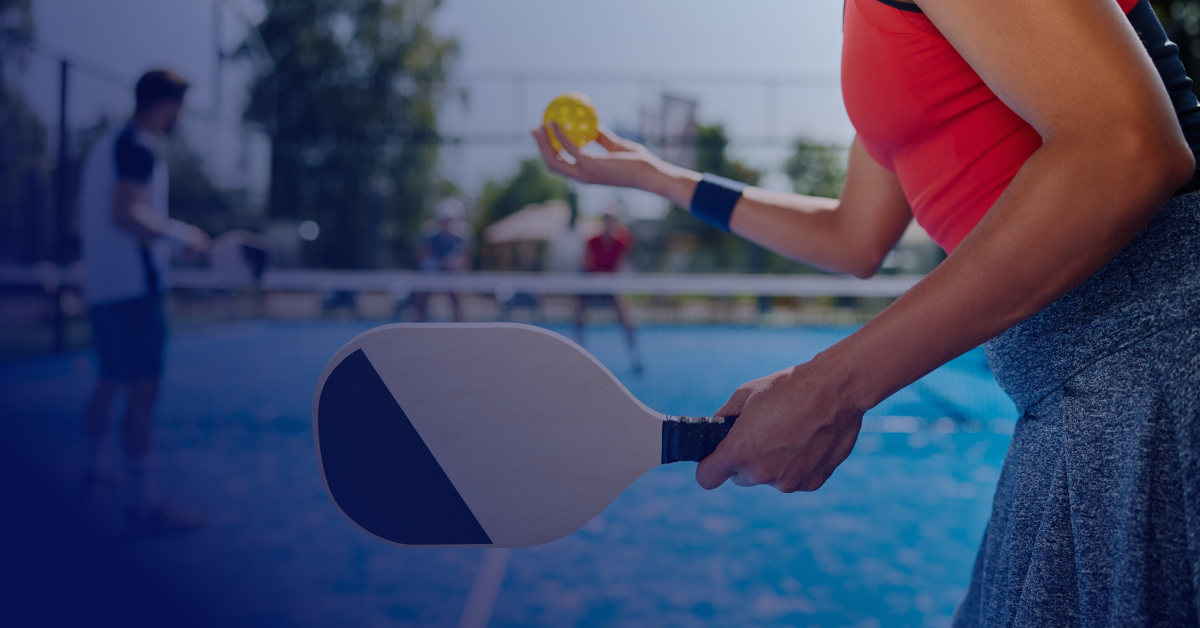
You have your racquet in hand and booked the pickleball court. But did you forget to warm up?
Since it burst on the scene in the mid-1960s, pickleball has gained millions of devotees who crowd thousands of pickleball courts across the nation. There are about 80 in New York City alone. A unique blend of tennis, badminton, and ping pong, pickleball appeals to young and old alike. Many are attracted to the activity because it appears easier to play than other racquet sports. A pickleball court is smaller than a tennis court and the net is lower. And it’s based on games most children play.
Yet it’s far from child’s play. Pickleball is a physically demanding sport requiring stamina, coordination, and quick reflexes. During a game, players make rapid changes in direction, repetitive overhead swings, and quick, sharp movements. All those factors often lead to injuries on the court.
Luckily, dedicated pickleball buffs can cut down their chance of an injury with a well-rounded warm-up routine. A pre-game warm-up loosens muscles, flexes the joints, and revs up the nervous system for peak performance. And it involves more than a quick stretch and game on. Instead, an effective warm-up consists of dynamic movements prior to a game. Let a physical therapist show you a pickleball warm-up routine to prevent injuries and help you smash the competition.
Why Warming Up Matters More Than You Think
Pickleball Is More Physically Demanding Than It Looks
Make no mistake, pickleball is a high-speed, strenuous sport. Your muscles and joints bear much of the stress because of these actions:
- Quick lateral movements
- Sprinting to the net
- Reaching overhead
- Pivoting
- Repeated paddle swings
What Happens During a Warm-Up?
Pickleball enthusiasts can’t wait to start serving and volleying. Unfortunately, in their zeal to play, they frequently skip a warm-up routine and start playing with stiff muscles. In any sport, cold and rigid muscles set you up for a potential injury.
Loose muscles, on the other hand, possess the mobility and flexibility to smoothly perform athletic feats. Warming up prepares you for an energetic match is so many ways:
- Increases blood flow to the muscles
- Raises muscle temperature for power and flexibility
- Improves joint lubrication
- Activates the nervous system
- Improves reaction time
Common Pickleball Injuries That a Warm-Up May Help Prevent
A study of pickleball-related injuries over a 10-year period revealed fractures ranked No. 1, followed by sprains and strains. This indicates pickleball injuries frequently result from an acute trauma or overuse.
Even the most advanced pickleball player will suffer an injury simply due to the game’s accelerated pace of play. Properly warming up, however, goes a long way toward pickleball injury prevention. It can greatly reduce the chance of these injuries taking you off the court.
Pickleball Elbow
- Repetitive gripping
- Paddle swings
Shoulder Injuries
- Rotator cuff irritation
- Tendonitis
- Overhead motions
Knee Pain
- Quick pivots
- Sudden stops
Calf and Achilles Strains
- Explosive starts
- Landing awkwardly
Ankle Sprains
- Lateral movement
- Poor balance leading to falls
Dynamic Warm-Up vs. Static Stretching
What's the Difference
Think of dynamic warm-ups and static stretches as two sides of the same coin. Both are essential for fitness and mobility. But their end goals are quite different.
Dynamic movement puts your joints and muscles through a full range of motion comfortably. These exercises typically mimic the movements you’ll perform during an athletic event or workout. Ten minutes of dynamic movements are recommended before you start your pickleball match.
On the other hand, static stretching involves stretching your muscles as far as you can without discomfort. It’s more of a relaxation technique and usually reserved for post-game to maintain muscle flexibility.
Dynamic Warm-Up
- Active movement
- Boosts circulation to muscles
- Prepares muscles for activity
Static Stretching
- Hold stretches for flexibility
- Better suited for after exercise
A PT-Approved Pickleball Warmup Routine
Set aside 8 to 10 minutes for a complete warm-up before grabbing a pickleball racquet. You’ll feel energized and ready to play at full speed. Each exercise addresses a different muscle or joint — from your legs to your shoulders.
Step 1: Light Cardio (2–3 Minutes)
Examples:
- Brisk walking
- Easy jogging
- Side shuffles
- Jumping jacks
Purpose:
- Increases heart rate
- Warms muscles
- Improves circulation
Step 2: Dynamic Lower Body Mobility
Include:
Leg Swings
- Front-to-back
- Side-to-side
Walking Lunges
Improves:
- Hip mobility
- Balance
Hip Circles
- Widens hip range of motion.
High Knees
- Activate hip flexors and core.
Step 3: Upper Body Activation
Include:
Arm Circles
- Forward and backward.
Shoulder Rolls
- Improve shoulder mobility.
Resistance Band Rows (if available)
- Activate upper back muscles.
- Align posture
Band External Rotations
- Prepare the rotator cuff.
- Target shoulders and upper back.
Step 4: Core Activation
A stable core keeps you balanced as well as agile during a match. A strong core also provides the power to make your shot across the net.
Examples:
- Bird dogs
- Standing marches
- Dead bugs
Step 5: Pickleball-Specific Movement Drills
Also beneficial is practicing movements unique to pickleball. Doing these drills during a pickleball warmup routine gives you the confidence and skills to win on gameday.
Include:
- Side shuffles from right to left with slightly bended knees
- Carioca steps (moving laterally while stepping one foot over the other)
- Split-step practice (slight hop before receiving the ball and then landing on your feet)
- Shadow swings in front of a mirror
- Short acceleration drills for speed
Pickleball Stretches to Perform After Playing
After a hard-played match, it’s time for static stretching. These pickleball stretches lengthen tight muscles and promote flexibility. They’re also relaxing and prevent post-game stiffness. Hold for 20 to 30 seconds (without pain) and never bounce. Bouncing can tear a muscle.
Try these stretches:
- Hip flexor stretch
- Hamstring stretch
- Calf stretch
- Chest stretch
- Forearm stretch
- Shoulder stretch
Common Warm-Up Mistakes
Now that you understand the importance of warming up before a pickleball game, try to avoid these missteps:
Skipping the warm-up entirely. The first game or two does not qualify as a warm-up. Start your warm-up regimen before you step on the court.
Stretching cold muscles. May actually decrease your performance and muscle power. Overstretching can cause an injury.
Only warming up one area. You engage numerous muscles and joints to play. Target them all during your warm-up.
Rushing through the routine. Yes, you want to get on the court and play. But cutting short or rushing through your pre-game exercises might get you injured. Focus on proper technique, not speed.
Ignoring previous injuries. Athletes recovering from prior injuries may require additional preparation and physical therapy.
Additional Tips for Pickleball Injury Prevention
Preparing for a pickleball match requires more than just warming up. Take these pointers into consideration to prevent getting hurt.
- Wear court-specific shoes for enhanced traction on the hard surface
- Stay hydrated to lubricate joints
- Build strength off the court
- Schedule recovery days
- Increase playing time gradually
- Listen to pain rather than pushing through it
When Should You See a Physical Therapist?
Minor aches and stiffness after a vigorous match is to be expected. But if these symptoms continue and increase, see a physical therapist to identify issues before the pain becomes chronic or leads to a serious injury or an ongoing orthopedic condition.
- Persistent shoulder pain
- Elbow pain
- Knee pain
- Recurrent muscle strains
- Balance problems
- Reduced mobility
- Injuries affecting performance
How ASPT Helps Pickleball Players Stay on the Court
The physical therapy team at All Sports Physical Therapy assists all athletes, including pickleball players, reach their full potential. If you suspect an injury or just want to up your game, come see us for a full PT assessment so you'll never miss a court date.
Comprehensive Movement Assessment
We evaluate:
- Strength
- Mobility
- Balance
- Functional movement
Individualized Exercise Programs
Customized plans based on:
- Fitness level
- Previous injuries
- Playing frequency
Injury Prevention Strategies
We help you develop:
- Warm-up routines
- Strengthening programs
- Mobility exercises
- Return-to-play protocols
Warm Up and Hit the Court
A few minutes spent warming up before a pickleball game pays off spectacularly with easier movement, enhanced performance and stamina, and lowered injury risk. Yet many players skip over it and rush into play. That is a major fault on the pickleball court.
A warm-up routine incorporating dynamic exercises prepares your muscles, joints, and nervous system for the fast-paced demands of pickleball. These movements can help you play skillfully and recover quicker from a match with less pain and stiffness.
Whether you're new to the sport or a seasoned competitor, make a smart warm-up plan part of every pre-match routine. Not only will it help you play better, it will improve your overall fitness.
If aches, stiffness, or recurring injuries are holding back your game, schedule an evaluation with All Sports Physical Therapy. We’ll take the time to develop a personalized injury prevention and performance plan. Contact us today.
FAQs
How long should a pickleball warm-up be?
Most players can prepare effectively with a dynamic warm-up lasting about 8 to 10 minutes before stepping onto the court.
What are the best stretches before playing pickleball?
Before playing, focus on dynamic movements like leg swings, walking lunges, arm circles, and high knees. Save static stretches for after your match.
Can warming up really help prevent pickleball injuries?
While no warm-up can completely eliminate injury risk, preparing your muscles and joints before play may reduce your chances of strains, tendon injuries, and joint pain.
Should I warm up even if I'm only playing one game?
Yes. Injuries can happen during any game, and even a short dynamic warm-up helps prepare your body for the quick movements pickleball requires.
When should I see a physical therapist for pickleball-related pain?
If pain persists after playing, returns every time you're on the court, or affects your performance or daily activities, a physical therapist can identify the underlying cause and develop a personalized treatment plan.