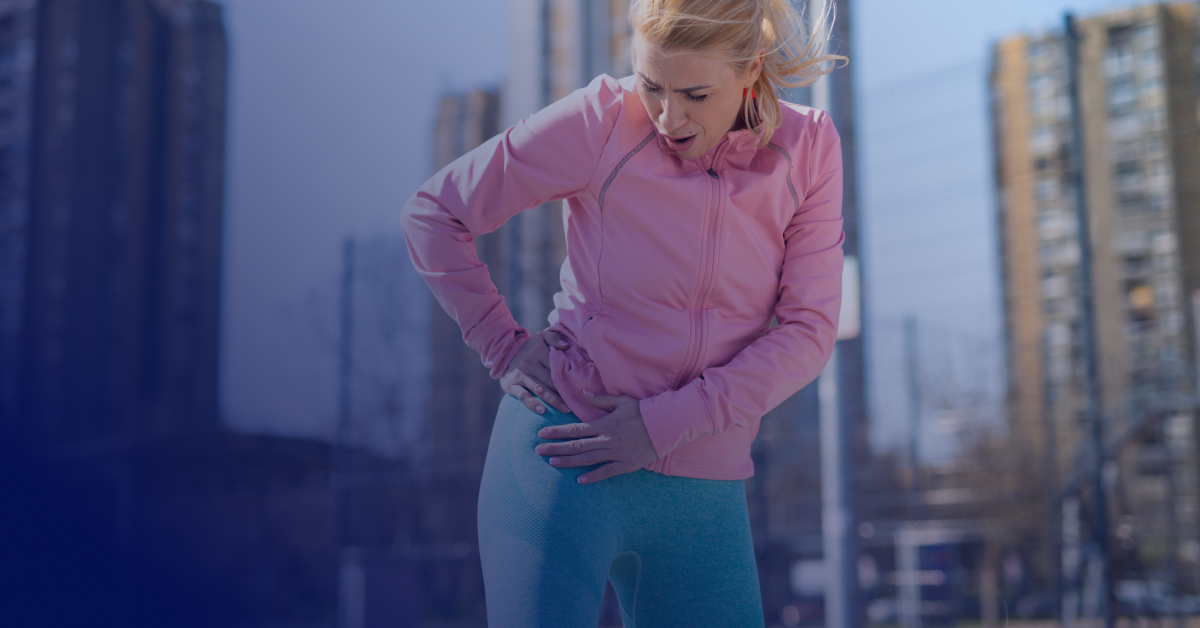
How Poor Sleep Affects Training Progress
Physical Therapy
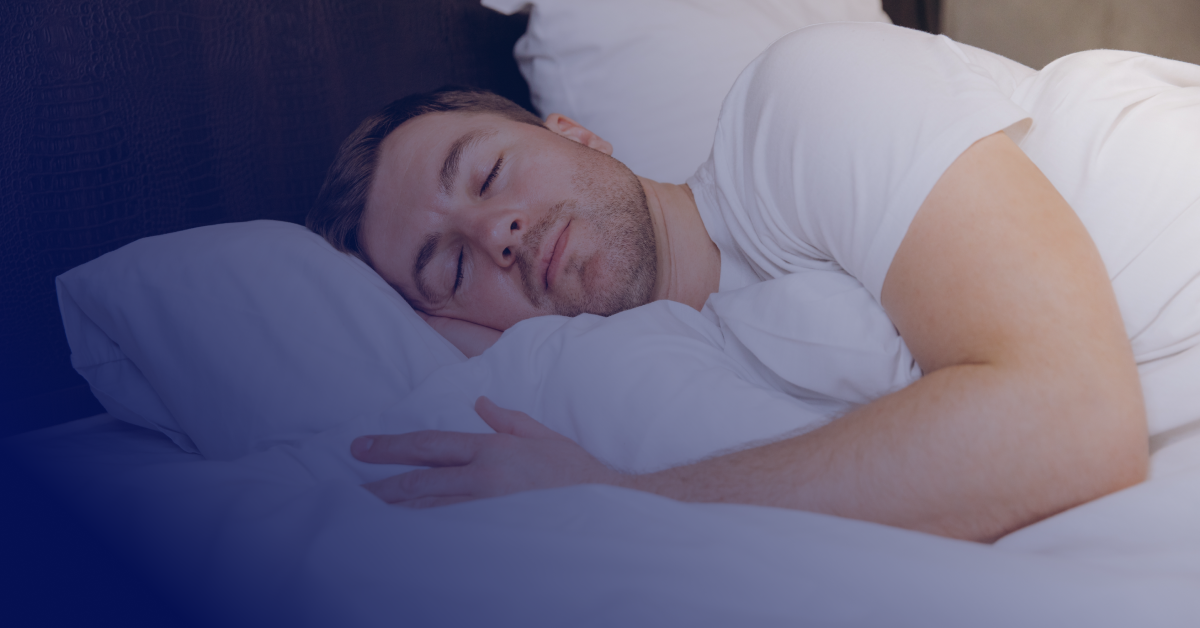
You train regularly, but still feel tired and achy. Maybe it’s because you’re not getting enough shuteye.
Sleep is probably the most underrated element of your training program. Dedicated athletes often neglect getting enough shuteye in their effort to get stronger and faster. But that’s a major mistake. The effects of poor sleep can stall your athletic performance and slow your progress toward your fitness goals.
Rest and recovery are essential building blocks of any training routine. And that includes getting between seven to nine hours of quality sleep a night. So while you learn the right techniques to perform your sport or exercise, take the time to practice good sleep habits, too. It will energize your workout routine.
Why Sleep Matters for Training
Most people simply don’t get enough zzz’s every night. The Centers for Disease Control and Prevention reports 1 in 3 adults fail to get adequate rest each day. The CDC also estimates 50 to 70 million Americans suffer chronic sleep disorders.
Ongoing sleep deprivation is more than merely waking up groggy and reaching for a cup of coffee every morning. The effects of poor sleep can have long-lasting and severe consequences on your health, not just the success of your workout routine.
Proper sleep forms the foundation of your recovery from robust workouts. It’s as important as following the correct form for lifting weights or running. Without it, you’re not giving your body the rest it needs to re-energize for your next workout.
Effects of Proper Sleep on the Body
On the other hand, you’ll reap amazing benefits when you wake up refreshed and ready to hit the gym, running trail, or playing field.
Aids in Muscle Recovery
- Increased blood flow to the muscles during sleep patches the microtears in the soft tissue strenuous exercise produces
- This restorative process ultimately leads to stronger muscles
Balances Hormones
- Sleep reduces the stress hormone cortisol in the body. Less stress equals better sleep.
- Nightly sleep releases growth hormones that stimulate muscle repair
Improves Performance
- Sharpens coordination and reaction time
- Replenishes the energy stored in your cells depleted during exercise
Poor Sleep After Exercise: Why it Happens
Exercise is supposed to make you sleepy? Right? But not always. You’ll be counting sheep if you follow these bad workout habits.
- Vigorous exercise too close to your bedtime
- Exercise releases the stress hormone cortisol that wires your nervous system
- Insufficient sleep after weight training or other intense exercise hinders your body’s ability to adequately recover, leaving you fatigued and weaker
Does Poor Sleep Cause Inflammation?
Sleep deprivation not only leads to daytime drowsiness. Your body feels it in other ways, too. Studies have linked poor sleep to chronic and damaging inflammation.
That’s because falling short of seven to nine hours of slumber increases inflammatory markers flowing in your body, such as cytokines, interleukin-6, and C-reactive protein. Chronic inflammation can impact your muscles and joints, making exercises harder and possibly painful. More than that, elevated inflammation may also raise the risk of heart disease and diabetes.
Can Poor Sleep Cause High Blood Pressure?
Yes, it can. Studies support a possible association between faulty sleep habits and hypertension. Nearly half of all adults in the U.S. have high blood pressure. A contributing factor could be lack of sleep.
Your blood pressure naturally lowers when you hit the pillow. Exercising nonstop with no rest means your blood pressure stays higher longer, and that can damage your blood vessels.
Further, shorting your sleepy time can throw off your hunger-controlling hormones, leading to excessive snacking on high-carb, high fat foods. An unhealthy diet contributes to obesity, another risk factor for heart disease. Carrying those excess pounds also makes exercising more stressful and can damage your joints.
Poor Sleep Hygiene: The Hidden Problem
Sleep hygiene refers to a regular set of practices and routines that promote a good night’s sleep. On the other hand, several common poor sleep hygiene habits can leave you staring at the ceiling.
- Irregular sleep patterns. Going to bed and waking up at different times.
- Caffeine and alcohol. These substances stimulate your nerves and cause you to toss and turn.
- Screen use. The bright lights of your devices before bedtime interrupt your natural sleep patterns.
- High-intensity workouts. Exercise can improve your sleep, but not when it’s performed very late in the day.
Signs Your Sleep is Hurting Your Training
Occasional morning sleepiness is probably nothing to worry about. However, your body may be sending you signals you’re sleep deprived if you experience these symptoms.
- Persistent fatigue
- Leveling off in your performance
- Increased muscle and joint soreness
- Frequent injuries
- Inability to focus or diminished energy during workouts
How to Improve Your Sleep for Better Training
The good news is, you can definitely improve your sleep hygiene for better training results. All it takes is some simple adjustments to your daytime and nighttime routines.
Build Better Sleep Hygiene Habits
- Consistent bed and waking times. Even on the weekends.
- Limit screen exposure. Power down your devices. Listen to soothing music instead.
- Optimize your sleep environment. Keep the lights low and make your bed comfortable.
Adjust Training Timing
- Avoid intense workouts late at night. Exercise in the morning or early afternoon.
- Incorporate active recovery. Intense workouts are not advisable in the evening. But a relaxing walk a few hours before bed can ease you into deep sleep.
Support Recovery
- Watch what you eat and drink. A small snack is okay, but heavy or spicy meals will stimulate your digestive system and make getting 40 winks harder. Drink plenty of water during the day to prevent nighttime cramps, but restrict your fluid intake before bed to limit bathroom visits.
- Manage stress. Stop thinking about that meeting tomorrow and concentrate on getting to sleep. Mediation and relaxation techniques can keep your worries at bay in the evening.
When to Seek Help
Workouts are intended to invigorate and strengthen your body. But when working out makes you exhausted all the time, your sleep habits may be to blame.
- Chronic insomnia or frequent sleep disturbances
- Ongoing fatigue and soreness despite rest
- Declining performance
- Signs of overtraining (irritability, low motivation)
How ASPT/PT Can Help
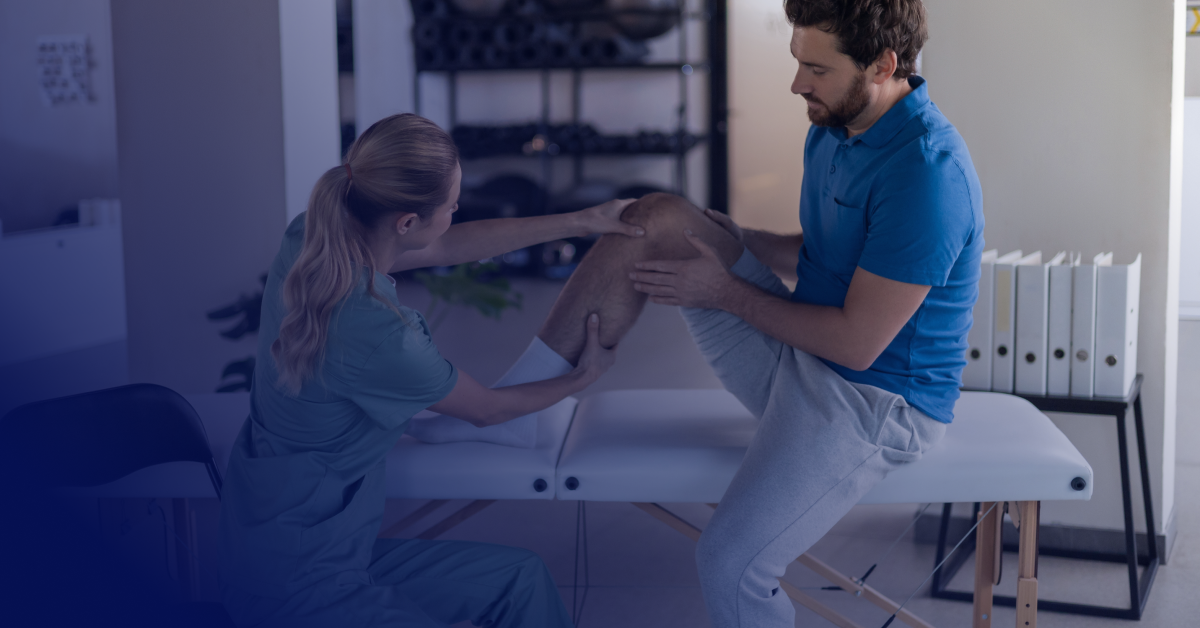
All Sports Physical Therapy works with athletes and workout enthusiasts to get the most out of their exercise program or sport. If you think your workout needs a makeover, see one of our highly trained physical therapists to spot what may be holding your back.
Here are a few basics our PT team can do:
- Identify overtraining symptoms
- Build a balanced and customized recovery plan including adequate rest and sleep
- Reduce pain and inflammation with physical therapy
- Model good safety practices and techniques to optimize performance and prevent injuries
Optimize Your Training With Proper Sleep
Though often overlooked, sleep is a key piece in your training program. Poor sleep and inadequate rest often result in stalled progress and heightened injury risk. Yet good sleep habits will spur your training to new heights.
The physical therapists at All Sports Physical Therapy can show you how maintaining good sleep habits can boost your performance and overall fitness. Contact our office to learn more about this crucial component of any training routine.
FAQs
Why do I have poor sleep after weight training?
Perhaps because you worked out right before your bedtime. Vigorous exercise stimulates your nerves and floods your body with the stress hormone cortisol, making dozing off nearly impossible.
Does poor sleep affect muscle growth?
Yes. While you sleep, your body releases hormones to repair the small muscle tears created by exercise. Not getting enough shuteye blocks that mechanism and can weaken your muscles.
Can poor sleep cause inflammation?
Studies have linked chronic sleep loss to a jump in inflammatory markers, which often target your muscles and joints. Stiff and sore muscles and joints restrict movement and make working out harder.
Can poor sleep cause high blood pressure?
Research also indicates long-term sleep deprivation raises the chance of cardiovascular issues, mostly due to prolonged elevated blood pressure as well as increased obesity risk.
How can I improve sleep for better workouts?
Change up your sleep hygiene. Start by setting a consistent bedtime, turning off your devices, and dimming the lights in your bedroom. Manage stress and avoid eating heavy meals before you pull up the covers. Sleep is just one element of a comprehensive workout plan that includes scheduled rest and recovery periods. Sufficient sleep will greatly enhance your athletic performance.